Niagara Falls has a wide mix of housing stock. Century homes near the river and in the older parts of Drummondville sit alongside post-war bungalows through Stamford and newer builds out past Lundy's Lane. Each era brought different plumbing materials and different habits, and that shows up in the kinds of calls we get.
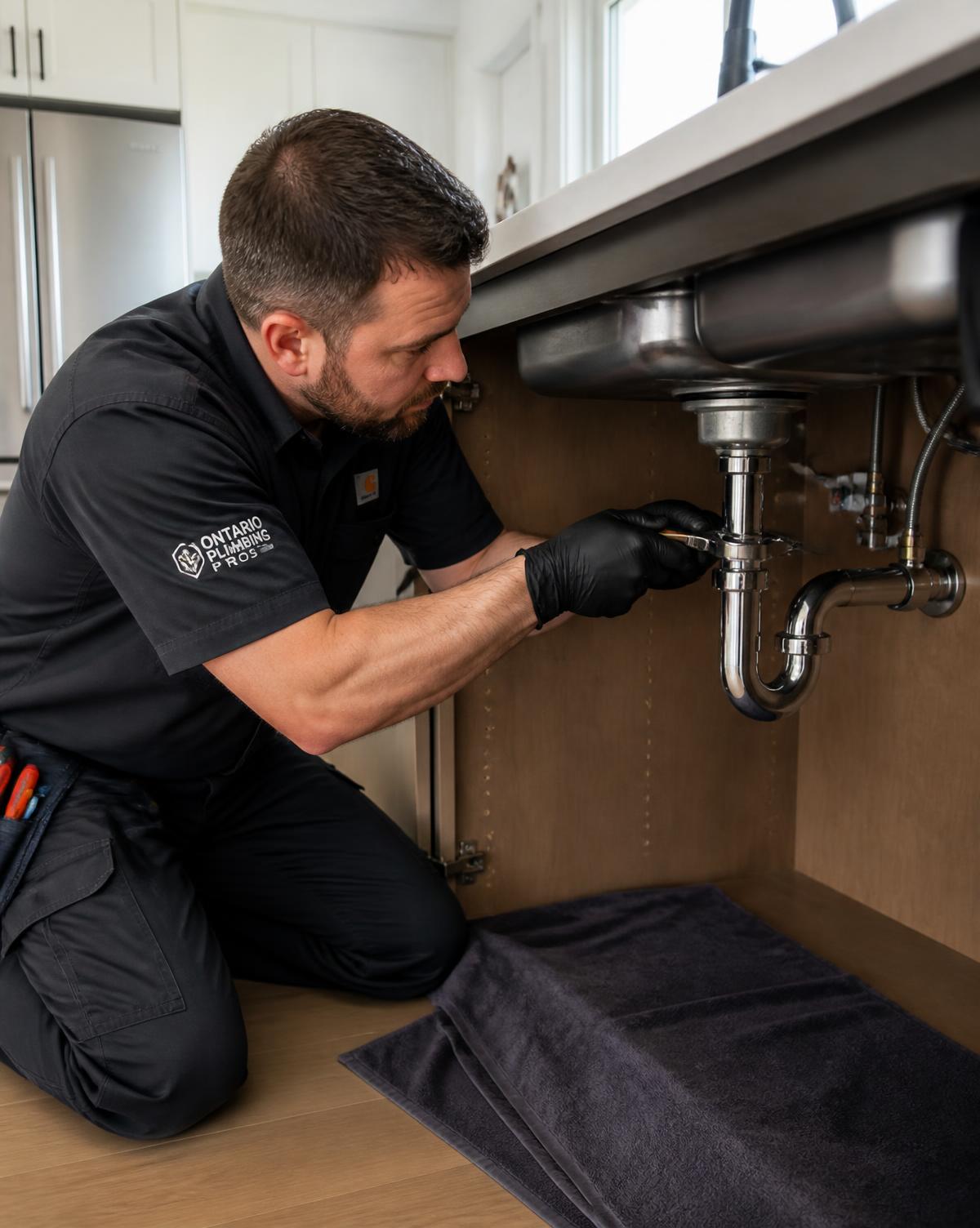
Kitchen and bathroom drains
Blocked kitchen drains are the single most common complaint. Cooking fats poured down the sink cool in the horizontal run of pipe and gradually coat the walls, catching food solids until the opening narrows. Running hot water afterwards moves the problem further along rather than removing it. Slow bathroom drains follow a similar pattern with hair and soap scum binding into a mat at the trap or stopper assembly.
A drain that clears and then slows again within weeks is telling you something. It usually means the blockage was only partially cleared, or that the line has a defect — a sag holding water, a rough joint catching debris, or roots at a seam.
Leaking faucets and running toilets
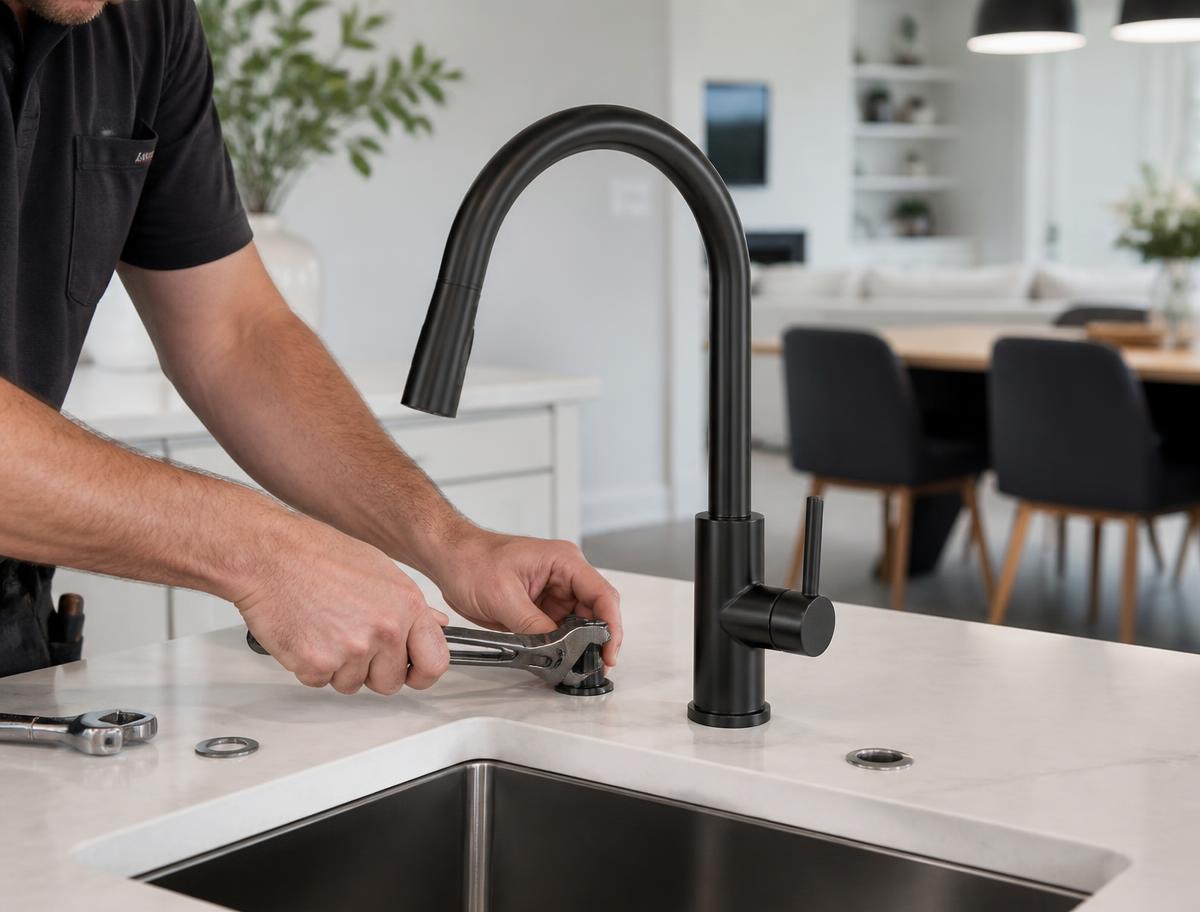
A dripping faucet is rarely urgent, but it is constant. Worn cartridges, perished washers and pitted valve seats are the usual culprits, and hard water accelerates all three. Running toilets are similar: a flapper that no longer seats, a fill valve out of adjustment, or a float set so high that water spills into the overflow tube. Both are inexpensive repairs that quietly add to a water bill for months.
Basement plumbing and sump pumps
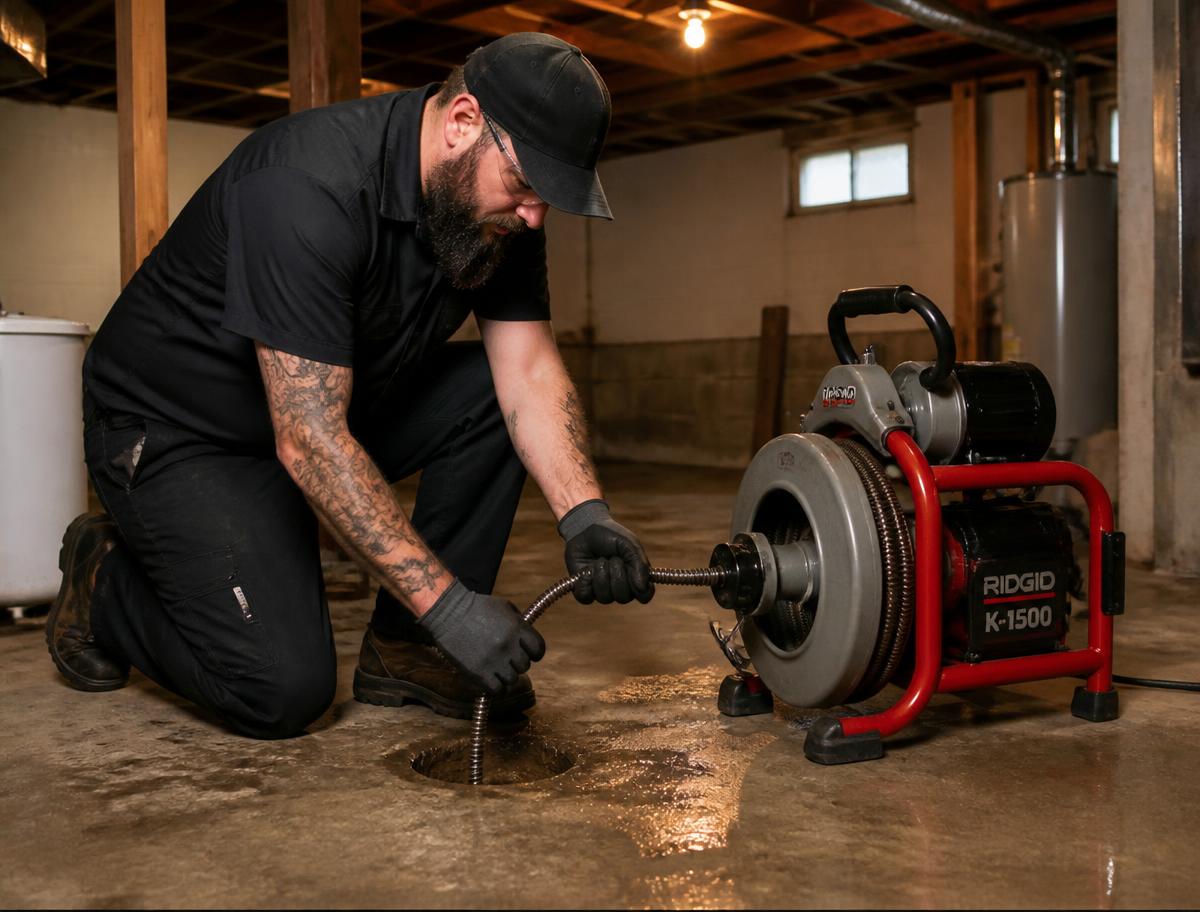
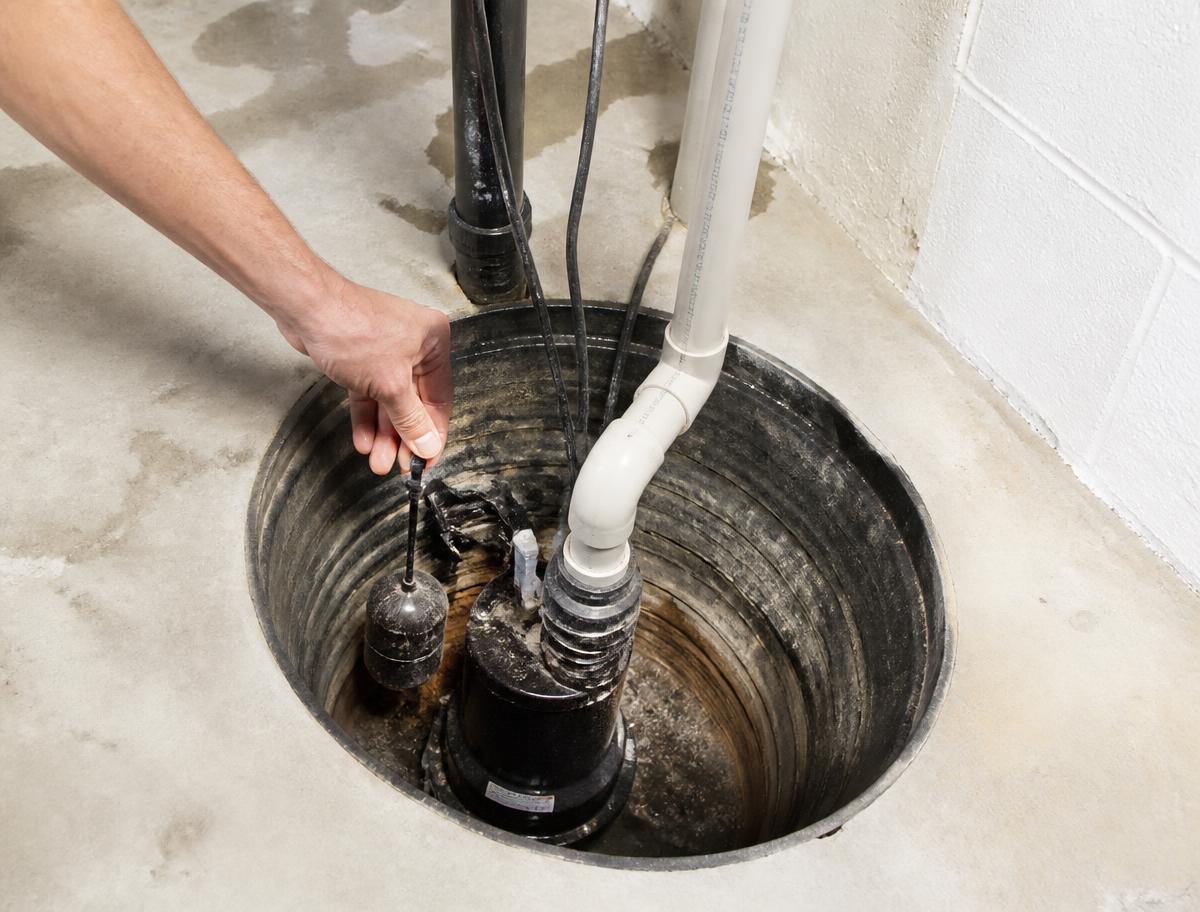
Most homes here have full basements, which means floor drains, laundry connections, often a bathroom, and in many cases a sump pit. Floor drain traps that dry out let sewer odour into the basement — a cup of water down the drain usually fixes that. Sump pump issues are more serious. Float switches jam against the pit wall, intakes clog with silt, discharge lines freeze at the outlet in January, and motors simply wear out. Testing the pump before spring melt is one of the more useful things a homeowner can do.
Frozen pipes during Ontario winters
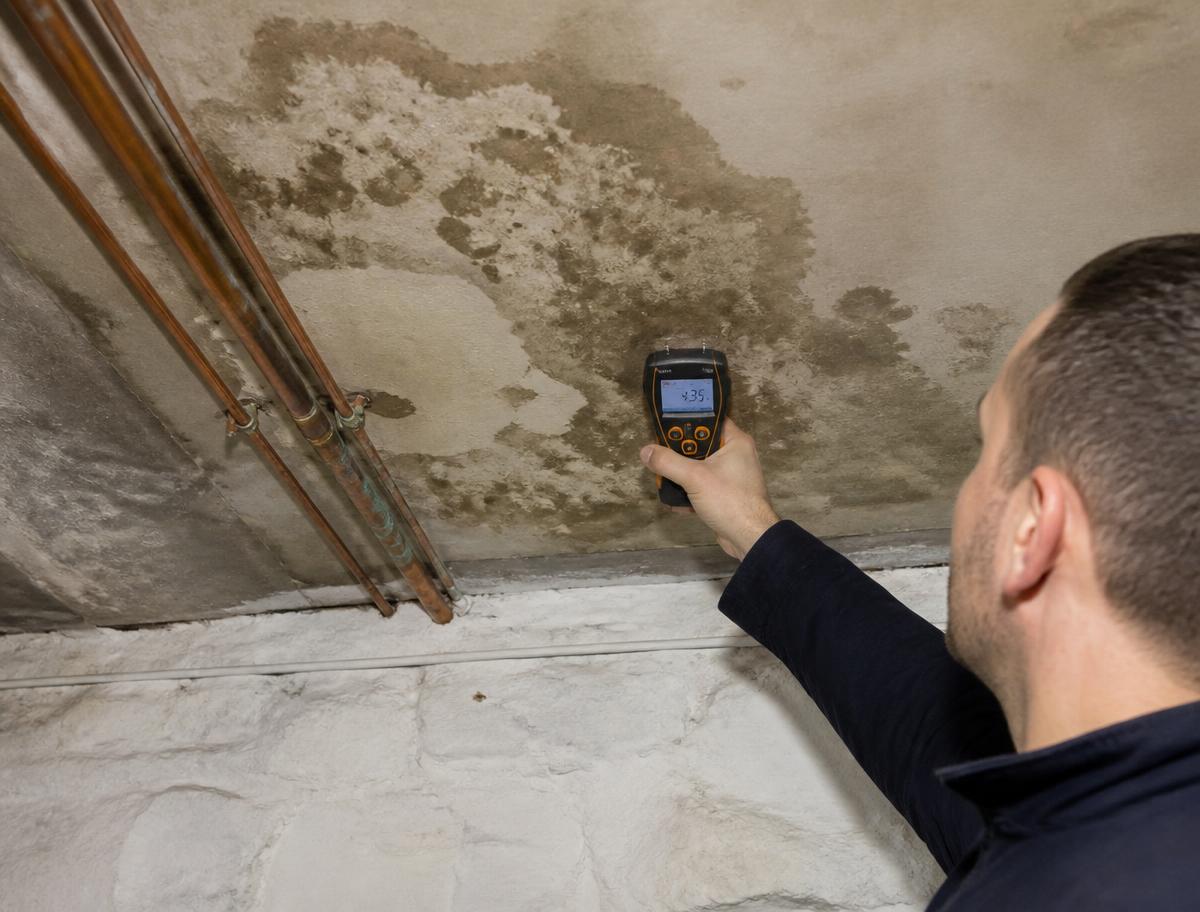
Niagara winters are milder than much of Ontario, but cold snaps still catch pipes in unheated spaces: garages, crawl spaces, exterior walls and along the rim joist of an older basement. Water expands as it freezes, and the split often isn't discovered until the line thaws and starts releasing water behind a wall. Insulating exposed runs, keeping an exterior tap shut off and drained through winter, and leaving a cupboard door open on a cold night against an outside wall all help.
Sewer backups and older lines
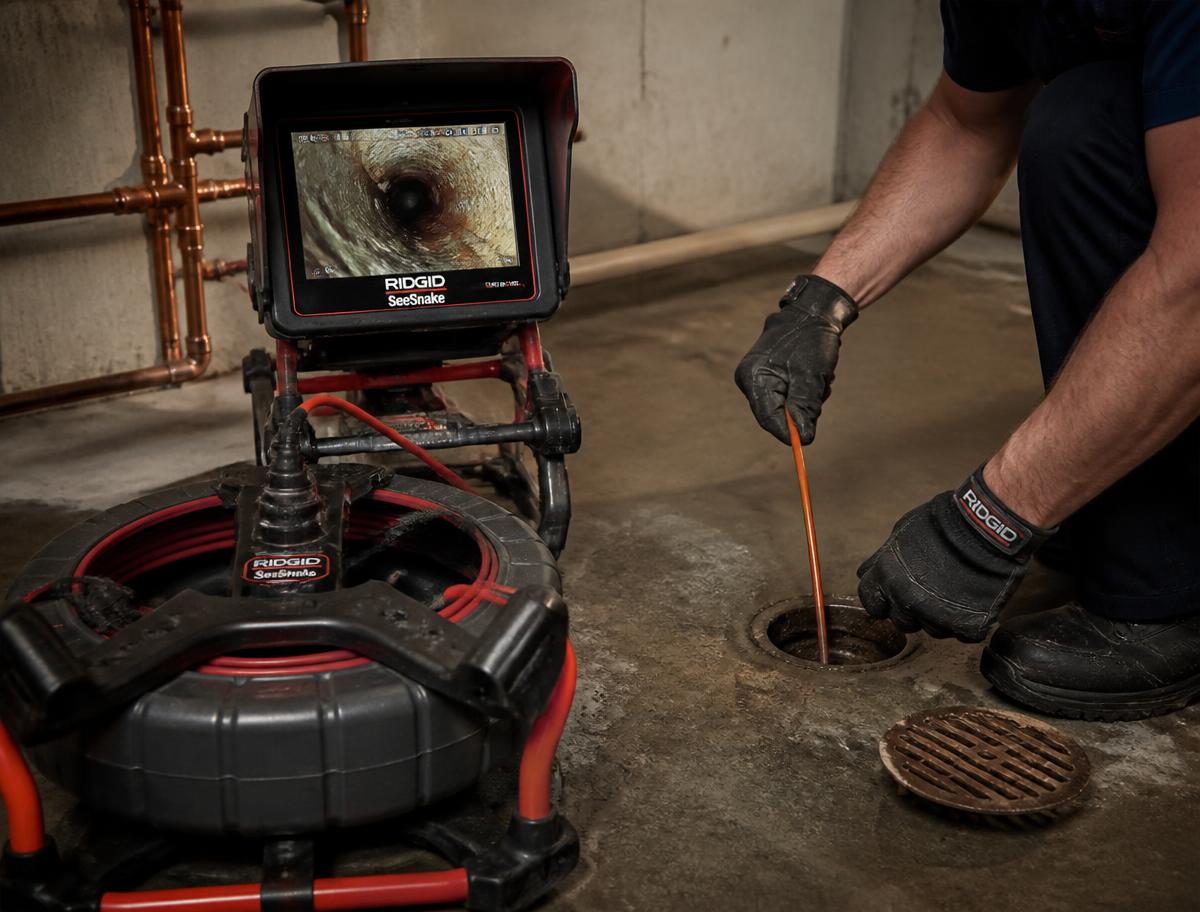
Older neighbourhoods have older laterals — clay, cast iron or early plastic — running under mature trees. Roots find their way into joints looking for moisture, and once inside they catch everything passing through. A backup that affects more than one fixture at a time, or a floor drain that surges when a washing machine empties, points at the main line rather than a single fixture. A camera inspection is the practical way to see what's actually happening down there before deciding between cleaning, lining or replacement.
Underground water lines
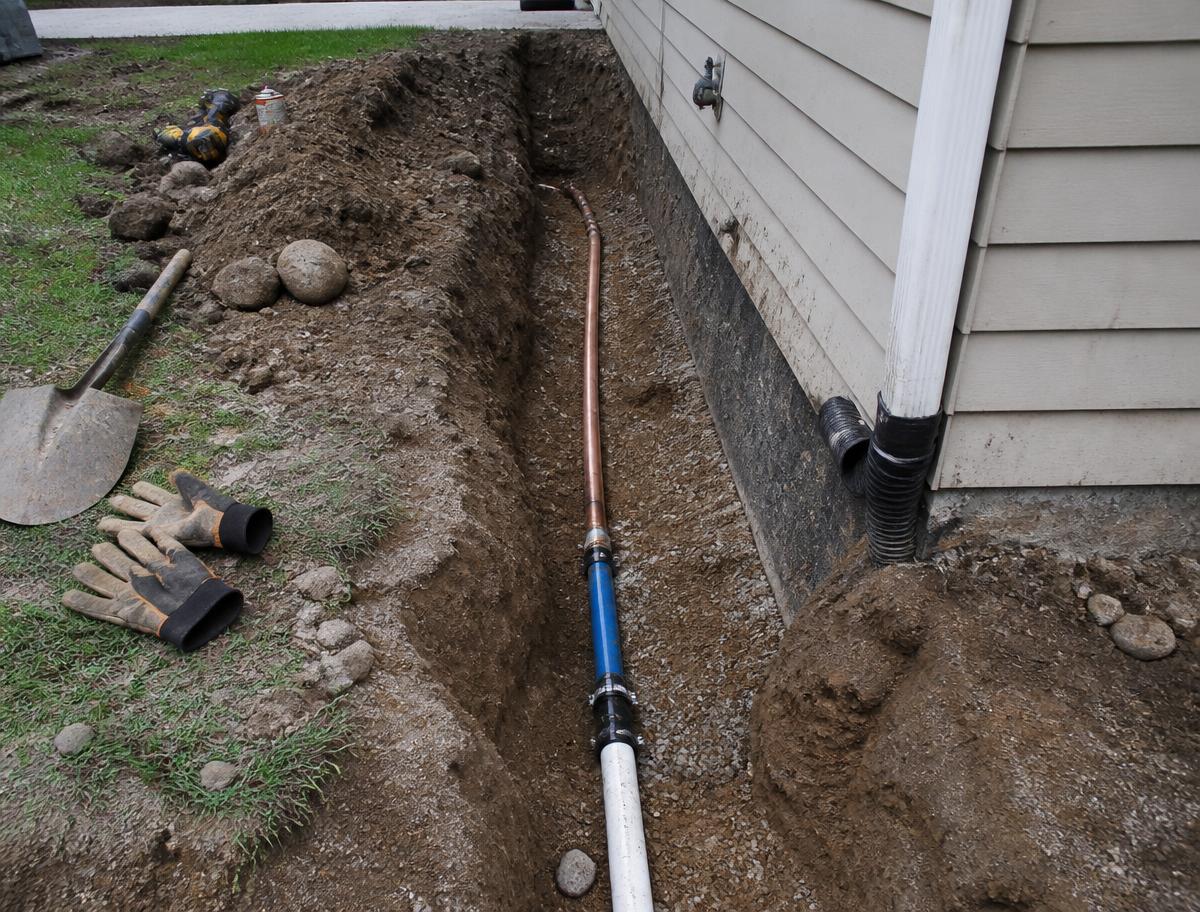
Buried supply lines can leak without any visible sign inside the house. Damp or unusually green patches in the lawn, a drop in pressure, or a water bill that jumps without a change in use are all worth investigating. Older galvanized or undersized lines can also restrict flow to the point where two fixtures can't run comfortably at once.
When to call
Anything actively releasing water, any sewage backing up, and any complete loss of water should be dealt with promptly. Slow drains, small drips and intermittent noises can usually wait for a scheduled visit — but they rarely improve on their own, and they're almost always cheaper to fix before they escalate.